Patios in Pasadena do more than host a grill and a couple of chairs. They bridge indoor comfort with the San Gabriel foothill light, they hold up under Santa Ana winds, and they endure winter season rain that can come hard and fast. Selecting the best surface area is, at the same time, useful and visual. Two of the most asked for materials in my years with Pasadena customers are brick pavers and natural stone pavers. Both can be outstanding, but they serve different objectives. If you understand how they act in our environment and how they form a space, the choice becomes far easier.
What Pasadena's environment asks of a patio
Pasadena sits in a Mediterranean zone. Hot, dry summertimes and moderate winter seasons with episodic rainstorms. We do not fight freeze-thaw cycles like the Midwest, but water management is still a heading concern. A patio area that does not shed or infiltrate winter season rain can push water towards foundations or downturn at the edges. Hillside properties in Linda Vista, San Rafael, and along Arroyo Seco include another layer, where a patio in some cases shares footing with retaining walls or steps that climb a grade.
Good installations in this city check out like stormwater maps. Joints that allow drain, base layers that spread loads over variable soils, edges that do not sneak, and transitions that appreciate stucco limits and wooden decks. These fundamentals, more than the material, make or break an outdoor patio installation.
Brick pavers and natural stone, 2 different characters
Brick pavers bring a heat you can not fake. Their color runs through the entire piece, not simply a surface area finishing. A sand-set brick outdoor patio has a human rhythm: subtle color shifts, soft edges, and a classic look that matches 1920s Spanish Revival cottages and Artisan homes alike. Modern brick pavers, particularly the interlocking pavers made from concrete yet styled as brick, bring harmony and strength that pure clay brick may not, however real fired clay remains the classic.
Natural stone pavers, whether granite, limestone, sandstone, or travertine, read cooler and more architectural. Their face can be refined smooth or left with a cleft texture. Stone catches light in ways manmade surfaces can not, and the variety is staggering. In South Pasadena and Madison Heights where outside rooms lean upscale, stone typically wins when clients desire a sophisticated, silently elegant finish.
Both alternatives can be dry laid on a ready base or set in mortar. In Pasadena, dry lay on compressed base with polymeric sanded joints is the workhorse method for patio areas. It handles water much better and allows for easy repairs. Mortared-on-concrete is reserved for particular cases, like a really thin profile under a door threshold or a swimming pool coping that need to lock to a shell.
Beyond the surface area: efficiency aspects that matter here
Surface temperature level is a summertime truth. Dark stones and brick can heat up at 2 pm in July. If barefoot comfort is a priority, pick lighter colors and a surface with some texture. Travertine in ivory tones remains notably cooler underfoot compared to charcoal clay brick or dark basalt.
Slip resistance is about surface texture and sealers. A cleft sandstone or flamed granite holds traction even when wet. Lightly toppled clay brick grips well, but polished limestone sealed to a high shine can amaze you near a pool or outdoor kitchen area. We frequently test sample pieces on-site with a hose and bare feet before a final call.
Load capacity and edge stability choose how well a patio area makes it through furnishings legs, planters, and the occasional celebration crowd. Interlocking pavers on a proper base behave like a single mat that spreads force. Specific stone slabs that are too large or too thin can tip if the base is weak. Clay brick is reasonably strong, but some thinner reclaimed pieces need a tighter joint and a more thorough base.
Color fastness and patina progress in a different way. Brick deepens a little, and efflorescence, a whitish blossom, can appear the first season but generally rinses. Stone weather conditions per mineral content. Limestone can mellow and etch around lemon juice spills near an outside kitchen. Granite laughs off acids but may darken if you seal it. Travertine can absorb oils if unsealed, yet stays one of the most forgiving underfoot surfaces.
What the numbers look like
Costs shift with material quality, thickness, format, and website complexity. In Pasadena over the last few seasons, we see these typical, defensible ranges for a full patio installation including excavation, base, edge restraint, laying, and joint stabilization:
- Clay brick pavers: commonly in the mid to high range per square foot when using quality, full-thickness pavers. Reclaimed or customized shapes can push higher. Interlocking concrete pavers styled as brick: typically a bit less than clay for material, similar installed expense if details are equal, however cost savings show up on bigger square footages. Natural stone pavers: broad band, from moderate for domestic sandstone to premium for imported limestone or granite. Large-format pieces need more labor for handling and base preparation.
Expect hillside sites, demolition of an existing slab, drain tie-ins, or integrated functions like seat walls to include 15 to 40 percent to a base outdoor patio price. We frequently stage deal with retaining walls first, then patio areas, then walkway installation, and finally softscape, which can spread out the cost over phases without compromising quality.
Design fit with Pasadena architecture
Clay brick matches red tile roofs, stucco walls, wood beams, and divided-light windows that shape numerous Pasadena streets. Basketweave or running bond patterns strengthen that timeless note. Herringbone adds visual strength under dining tables or in narrower yards. Thin brick on concrete works near old limits where you can not build up.
Natural stone signs up with effortlessly with contemporary architecture, however it does not watch out of place with Craftsman information either, specifically when you choose a tumbled edge and warm tone. Buff limestone or golden sandstone echoes the Arroyo stone used in early Pasadena structures and walls. Granite in grays and blues couple with steel and ipe in contemporary yards.
When customers ask for the best paver patio styles for Pasadena homes, we study their exterior, roof color, and backyard light. An outdoor patio needs to not take on a historical entry or an old oak canopy. It ought to quiet the ground plane and let plants, furnishings, and individuals take the stage.
Installation truths that separate a good patio area from a headache
The develop series is seldom glamorous, however it is where patio contractors earn their keep. At Ridgeline Outdoor Living, our teams begin with soil truths. Many Pasadena lots hold a mix of fill and native alluvium. We proof-roll the subgrade and dig much deeper where the base pumps underfoot. Geo-fabric goes down to separate soil from base upon suspect areas, then a graded aggregate base is put in lifts and compressed to 95 percent relative compaction.
Drainage preparation occurs before the very first paver goes down. For at-grade patios, we pitch at least 1 to 2 percent away from your house. If there is a keeping wall uphill, we gather water with perforated pipe behind the wall and daylight the line to a safe discharge. Permeable interlocking pavers can be a clever choice to reduce runoff, specifically if you are close to an arroyo or attempting to meet local stormwater guidelines. They need a particular open-graded base and different joint fill, however the payoff is less surface area water and much better groundwater recharge.

Edge restraints keep outdoor patios tight. Covert concrete curbs, metal edge, or soldier-course borders in brick or stone all work. On larger patio areas we cut in a few discrete expansion joints if a concrete slab underlayment is used, then match patterning so the breaks vanish visually.
Joints are the ending up touch. Polymeric sand resists weeds and ants much better than plain sand. On natural stone with wider joints, we often utilize a permeable joint mortar developed for freeze-free environments like ours so you still get flow-through drainage without washout.
Brick versus natural stone at a glance
- Aesthetic character: Brick checks out warm and historic, stone runs cooler and more architectural. Brick suits Artisan and Spanish Revival, stone flatters modern lines and also echoes Arroyo stone in standard settings. Heat and comfort: Light-toned travertine and sandstone stay cooler than dark brick or basalt in summer season sun. Textured finishes improve barefoot traction. Maintenance: Brick requires regular joint refresh and occasional rust or efflorescence treatment. Stone requires sealing proper to its mineral type, with additional care near outside kitchens to prevent oil stains. Durability: Both last decades on an excellent base. Granite and thick limestone shrug off wear. Clay brick withstands color fade but the softer ranges can chip under repeated point loads if the base is underbuilt. Cost and intricacy: Brick and entry-level interlocking concrete pavers can be more budget plan friendly. Stone expenses differ extensively. Big or irregular stone demands more layout time and skilled cutting.
Where retaining walls satisfy patios
Many Pasadena yards request grade modifications. A modest retaining wall can create a level balcony, broaden usable space, and https://fernandofbhu779.tearosediner.net/paver-setup-pasadena-ca-outdoor-living-upgrades-that-add-worth tie into steps that link higher and lower zones. When a customer requires retaining wall installation in Pasadena CA, we evaluate loads, drain, and takes a look at the exact same time. Gravity walls with modular cinder block are effective and can be skinned with stone to match a patio. For slopes above 4 feet or near property lines, engineering is frequently required.
Stone retaining walls, the kind you see edging older estates, stay a preferred. As stone retaining walls experts in Pasadena LA, we frequently blend split-face block cores with a natural stone veneer to keep budget plans affordable yet looks authentic. Imaginative block retaining walls in Pasadena can curve, consist of planting pockets, or recess low-voltage lighting that functions as outdoor patio atmosphere. A wall cap cut from the exact same natural stone as your patio pavers makes the whole structure feel intentional.
Walkways and garden transitions
A patio is better when it connects with a function. Walkway installation ought to tie the back door to the grill, the table to a gate, or the driveway to a side entry. Ridgeling Outdoor Living garden pathway ideas normally start with flow, then texture. Brick pathways in a herringbone pattern handle foot traffic wonderfully and compress aesthetically in narrow side backyards. Stone walkways, especially stepping pads in broken down granite or yard, relax the tone and lead the eye to planting.
Interlocking pavers hold up well in high-use front methods and can match the outdoor patio underfoot. If you transition from brick pavers on an outdoor patio to stone walkways, repeat a color or a border component to keep consistency. An easy soldier course in matching brick along a stone path edge is enough to pull the yard together.
Outdoor kitchens, fireplaces, and the ideal surface area under them
Pasadena outdoor cooking area ideas range from a small island with storage to complete runs with grill, side burner, refrigerator, and pizza oven. Select a patio surface area that does not mind grease or heat. For stone, select denser products like granite or a sharpened quartzitic sandstone near cooking zones, and seal them with a penetrating sealer that does not leave a gloss. Around a grill, a basketweave clay brick performs well and hides small drips thanks to its texture and color variegation.
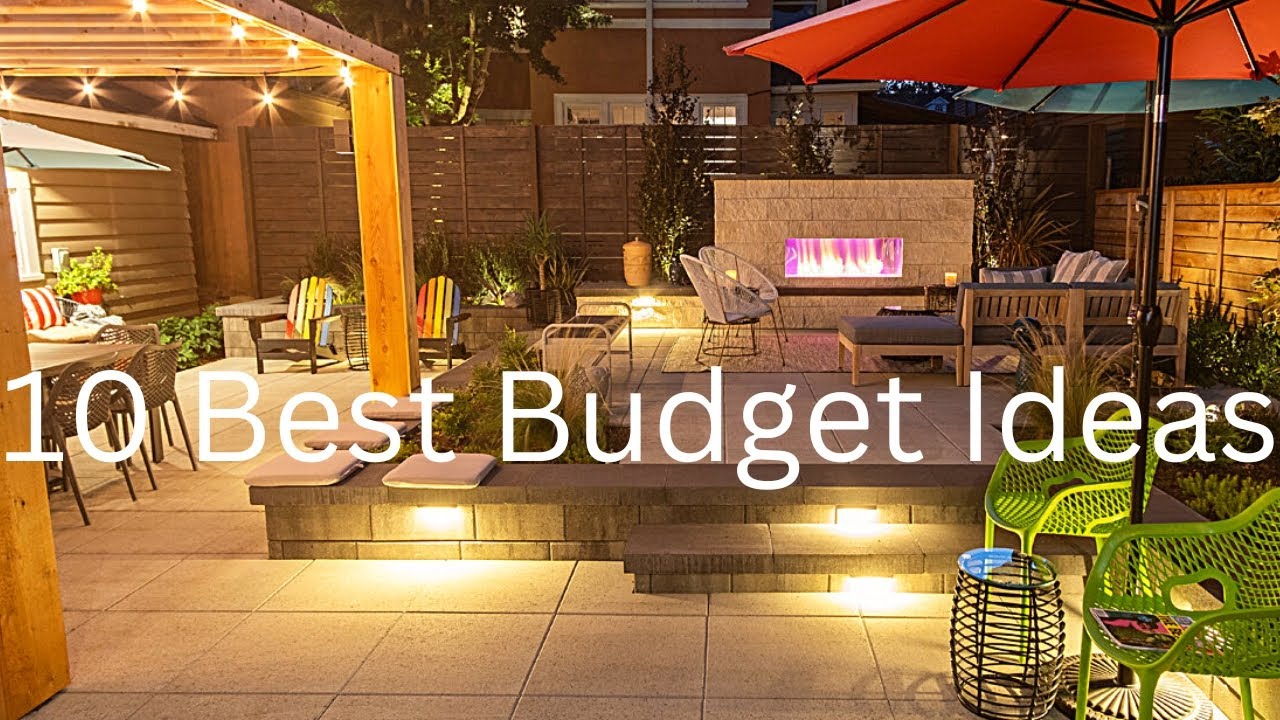
Fire functions become centerpieces. Fire pit installation finds out more casual and social, frequently round or square at seat height. An outdoor fireplace anchors a wall, frames a view, and cuts a chill even on clear January nights. Both deal with either surface area, however set your hearthstone or fire pit coping in a stone that can manage heat, then let the field be brick or matching pavers. Preserve noncombustible clearances and consider wind patterns so smoke does not chase after visitors or neighbors.
Maintenance with Pasadena truths in mind
A well-built patio area asks little bit, however a little bit of care keeps it looking sharp. After the first season, sweep in more polymeric sand where joints settle. Rinse surfaces after a Santa Ana dust event. Address discolorations without delay. Grease from grilling lifts better on sealed stone, while clay brick typically takes advantage of a gentle scrub with a diluted degreaser and a stiff nylon brush. Prevent severe acids around limestone and travertine.
Plant options impact cleanliness. Jacaranda blooms turn to glue on smooth stone if left for days, while olive fruit can stain brick. If the patio sits under an unpleasant tree, plan a hose pipe bib close-by and accept that a weekly rinse during drop season keeps the surface safe and attractive.
When interlocking concrete pavers are the wild card
The argument is typically framed as brick versus stone, however interlocking pavers made from high strength concrete deserve a mention. As a paver contractor, we define them when clients want geometric accuracy, a broad color scheme, and efficiency that deals with automobiles on a shared outdoor patio and drive court. They can mimic brick or stone, though side by side a trained eye can inform. Their benefit is system thinking. Edge restraint, sand-set joints, and a locking pattern disperse loads and withstand creep. If you want permeable efficiency, many product lines come in open-joint designs that meet stormwater goals without losing aesthetics.
When customers call Ridgeline Outdoor Living paver installation experts for a big format look without stone's cost, interlocking pavers frequently carry the day. Joint widths are consistent, cuts are tidy, and long-lasting upkeep is straightforward.
A couple of stories from recent yards
An Artisan bungalow on a peaceful street north of California Boulevard needed an outdoor patio that felt initial. We utilized clay brick pavers in a 45 degree herringbone and a soldier border that lined up with the porch columns. The property owners prepare outdoors four nights a week, so we laid a granite slab under the grill and set a little outdoor fireplace on the far edge. 2 years in, the patio has mellowed simply enough to appear like it has constantly been there.
Up in Linda Vista, a sloped lot required balconies. We built creative block retaining walls in Pasadena design with a warm sandstone cap, then set a natural limestone patio on the mid balcony where the family sits most afternoons. The lighter stone remains comfy barefoot, and a narrow stone pathway reaches a veggie garden framed with corten edging. During the very first big rain, water tucked neatly into the prepared drain path, which is the type of peaceful win a property owner hardly ever notifications until something goes wrong.
In Madison Heights, a transitional home leaned modern-day. The clients desired the crisp lines of stone without the premium connected to specific imports. We utilized big format interlocking pavers in a soft gray with tight joints. The patio area connects to a detached studio, so resilience and a clean sweep mattered more than rustic texture. A gas fire pit sits flush with the surface, and the patio area brings right through to a broadened driveway, which appears like one continuous outside room.
Sustainability and the long game
Choosing between brick and natural stone can also be an ecological choice. In your area made clay brick keeps transport emissions lower and, over a long lifespan, can be raised and recycled. Some natural stones are quarried in-state or nearby, which assists. Permeable interlocking pavers secure local waterways by lowering runoff and filtering contaminants in the base layers. On hillside sites, well-engineered retaining walls stabilize soils and limitation disintegration, which does more for the watershed than many people realize.
Sealers play into sustainability. Penetrating, low VOC formulas make good sense here. Pressure cleaning less and using a mild, naturally degradable cleaner extends surface area life and safeguards close-by planting. If you add an outdoor kitchen area, a covered grill area decreases direct exposure that ages surface areas quicker than foot traffic ever will.
Common pitfalls and how to avoid them
Pattern scale frequently fails. On a little patio, large stone can feel uncomfortable and lead to lots of cuts. On a big terrace, small brick modules can look hectic, like wallpaper. We mock up a dry design in a corner and view it from the house before committing.
Drainage missteps injure most. Flash heavy rain discovers the weak spot. Tuck weep paths every 8 to 10 feet along walls, slope every surface you can, and do not block downspouts with paver edges. Integrate drain inlets in low spots and choose grates that match the style language.
Base faster ways are incorrect economy. If somebody guarantees to lay pavers over an old cracked piece without prep, request a long guarantee in composing. You will not get it, due to the fact that the system will telegraph the fractures or lose level where the slab settles. Either get rid of the piece or treat it structurally and honor movement joints.
A quick decision tool for homeowners
- If your home has historical bones and you want warmth and familiarity, lean to brick pavers. Match or complement existing brick on chimneys or deck steps. If you crave a refined, silently modern-day space with color control and light play, consider natural stone pavers. Select surfaces for traction and comfort. If stormwater control, lorry loads, or a tighter spending plan loom large, interlocking pavers use efficiency and visual flexibility. For sloped lawns that require balconies or seat walls, coordinate outdoor patio product with retaining walls early, so caps, steps, and borders share a palette. If you plan an outdoor cooking area or fireplace, select denser, heat tolerant stone or brick near those features, and utilize the ideal sealer from day one.
Working with the ideal team
Materials matter, but the patio contractor you hire matters more. A solid patio design Ridgeline Outdoor Living couples pattern and proportion with practical information like subgrade, drainage, and edging. We put our time into what you will not see, so what you do see sits right and sits tight. Our teams install brick pavers, concrete pavers, and natural stone pavers weekly, and switch gears quickly in between patio areas, walkway installation, and retaining walls. If you need a retaining wall contractor in Pasadena, the style must represent additional charge from furnishings and people, not just soil.
Good contractors listen initially. Bring photos, a rough dream list, and a sense of how you live outdoors. If supper celebrations run big, allow space for chairs to draw back. If you begin early mornings outside, orient a bench or low wall to the east. If the dog owns the backyard, avoid porous stones near water bowls and choose joint sands that resist digging.
Tying it all together
You can develop a fine patio area from either brick or natural stone. In Pasadena, the winning option fits your architecture, resolves water and grade, and suits how you in fact use the space. Brick rewards tradition and warmth. Stone rewards light, edge detail, and a serene palette. Interlocking pavers round out the field with engineered consistency and stormwater options. Add thoughtful touches like stone walkways that draw you into the garden, a little outdoor fireplace or a fire pit installation for cool nights, and retaining walls that develop terraces where the lot as soon as escaped. Then let the plants soften the borders, and provide yourself a location to sit while the sun drops behind the Arroyo.
When you are prepared to sketch, measure, and cost with clearness, Ridgeline Outdoor Living paver installation experts can walk the site, bring samples, and map a build strategy that respects both your spending plan and the bones of your home. The ideal patio area will feel like it has always hardscaping guide belonged there, which is the highest compliment a Pasadena yard can earn.
Business Name: Ridgeline Outdoor Living
Address: 845 E Walnut St, Pasadena, CA 91101, United States
Phone: (626) 469-5822
Ridgeline Outdoor Living
Ridgeline Outdoor Living is a Pasadena-based landscape design-build company serving Greater Los Angeles with custom outdoor living, hardscape, and drought-tolerant landscape solutions. The company specializes in patios, retaining walls, outdoor kitchens, drainage, hillside projects, and turnkey landscape construction, handling projects from design and permitting through final build and warranty.
845 E Walnut St, Pasadena, CA 91101, USA
Business Hours:
- Monday – Saturday: 8:00 AM – 6:00 PM
- Sunday: Closed
Follow Us: