Pasadena property owners appreciate craftsmanship. The city's mix of historical bungalows, mid-century gems, and contemporary revivals requests outdoor areas that age gracefully and strive all year. Interlocking pavers address that call. Designed to flex with soil motion, shrug off heat and seasonal rains, and deliver old-world character with modern-day strength, they remain among the smartest financial investments for patio areas, pathways, and entertaining areas throughout the San Gabriel Valley.
What follows draws from years on task sites throughout Pasadena and neighboring foothill communities. The short version, interlocking pavers stand out here since they deal well with our clay-heavy soils, tree roots, and the occasional cloudburst, and they look gorgeous doing it. The long variation, below, draws up the choices, trade-offs, and small choices that figure out whether your patio installation becomes the space everyone gravitates to at dusk.
Why interlocking pavers work so well in Pasadena
Pasadena's environment runs hot and dry from late spring through early fall, then flips to short, extreme rain events. Clay soils swell when damp and agreement when dry. Concrete slabs hate that cycle. Slabs split where you least desire them to, often telegraphing through marked finishes or running under a grill island right where the bar stools land. Interlocking pavers, by style, deal with motion in a different way. The private units lock together over a compressed base and bed linen layer. Small motions distribute through the field, so you replace a broken system instead of tearing out a slab.
The heat also matters. Dark surface areas can prepare in August. With pavers, you can tune color reflectivity and texture. A lighter mix drops surface area temperature levels a couple of degrees, and textured finishes offer shoes more grip when the monsoon rolls in. For residential or commercial properties tucked under heritage oaks, tree roots will test any hardscape. Pavers enable future access. If a root heaves an edge, a paver contractor can raise, prune as allowed, regrade, and reset without demoing an entire patio.

Styles that fit Pasadena architecture
The best paver patio styles for Pasadena homes appreciate the house first. Artisan bungalows take to brick pavers like old buddies. The measurements echo original walkways, and a herringbone field bordered by a soldier course looks best beside river rock and cedar shingles. Mid-century cattle ranches and post-and-beam homes take advantage of bigger format concrete pavers in cool grays or warm taupes. The cleaner lines detect long fascia boards and glass walls without competing.
Spanish Revival and Mission-style homes unlock to natural stone pavers. Toppled travertine, porphyry, or split-face sandstone gives mild variation and depth that patios around a stucco yard crave. For newer builds with blended products, modular concrete interlocking pavers with combined tones bridge between stucco, steel, and stained wood. A skilled patio contractor will mock up two or three patterns and colorways in natural light before anybody indications off. Phones lie about color. Stones do not.
Choosing products without second-guessing later
Pasadena clients normally ask the same concerns on the first site check out. Will this get slippery? Will it stain under an outdoor cooking area? Can the surface manage a fire pit installation? How loud is it to stroll on? Here are practical responses that associate field experience.
- Concrete pavers: Produced interlocking pavers are the workhorses. They deliver consistent density, tight tolerances, and a broad palette, from smooth contemporary slabs to patch textures. Factory sealers vary, however a post-install permeating sealer tailored to your usage, cooking or pool, typically pays off. Mid-range expense, high versatility. Brick pavers: Clay bricks hold color for years and look wonderful with classic architecture. They run a little narrower than many concrete systems, which affects pattern choices. They can chip at the edges under duplicated high impacts, so plan thicker units for driveway bands or cart courses. Classic aesthetic, somewhat more upkeep at edges. Natural stone pavers: Travertine, limestone, bluestone, and granite each bring distinct character. They feel cool underfoot and can last generations if sized and set correctly. Variability in density requests a more careful bedding layer. Product expense and fabrication push spending plans greater, but the result checks out like it grew there. Permeable pavers: A subset of interlocking pavers with bigger joint spaces and a layered base designed to infiltrate rainwater. In Pasadena, permeable systems help where you want to minimize runoff near structures or satisfy regional stormwater assistance. They appear like basic units once sanded.
That covers function. Texture and pattern matter as much. A herringbone pattern includes strength in high-traffic zones or driveways, basketweave softens small yard patios, and running bond extends a narrow side yard. Wider joints high end hardscaping services look casual and old world. Tight joints feel customized and modern. Ridgeline Outdoor Living paver installation experts often mix a strong field pattern with a contrasting border, giving the patio visual structure without shouting.
The anatomy of a long-lasting patio
No quite surface makes it through poor base preparation. The base makes or breaks the task, and that is where experienced teams separate themselves. In our soils, a common patio needs excavating 6 to 8 inches listed below finished grade, more if the website holds water or will bring a heavy outside cooking area. Clay subgrade gets compacted in thin lifts to 95 percent relative compaction. A geotextile material, not landscape fabric from a garden aisle, goes down to separate the subgrade from the aggregate.
Next comes the base rock, normally a Class 2 road base or a crushed angular aggregate that locks tight. The team compacts in 2 to 3 inch lifts, checks grade with a laser, and permits a 2 percent slope away from the home. That small number keeps water off door limits and out of wall cavities. Screeded bedding sand, often a quarter inch of washed concrete sand, sets the last aircraft before systems get positioned. Edge restraints, concrete or durable plastic with spikes set into the base, keep the field from sneaking over time.
Someone will ask whether polymeric sand is required. In Pasadena, with leaf litter and watering overspray, polymeric sand helps stabilize the joints and keeps ants and fines from undermining the field. It is not a universal treatment. It still requires correct joint depth, clean conditions, and careful watering throughout activation. The field should be plate compacted twice with a protective mat to seat the systems and vibrate sand into joints.
A clean, efficient develop sequence
Some homeowners like to understand the play-by-play before the first shovel strikes the ground. Here is the version we offer clients who desire a clear arc from day one to wrap-up.
- Site review and design: Verify elevations, mark energies, choose access, and paint the footprint. Authorize pattern and verge on website with sample units. Excavation and base: Remove soil to design depth, install geotextile, location and compact aggregate base to grade with proper slope. Screed and location pavers: Set screed rails, pull bed linen sand, lay interlocking pavers to pattern, preserve bond lines, and cut cleanly at edges. Edge restraint and joint sand: Set up edge restraint, compact with a plate compactor and protective mat, apply polymeric sand, vibrate in, and trigger per producer guidance. Detailing and seal: Construct steps, caps, and transitions, clean the surface, and seal if defined after the sand has cured and the surface is dry.
On a typical 400 to 600 square foot patio installation with simple gain access to, that sequence takes 3 to 5 working days, not counting permitted work for gas or power lines that feed an outdoor fireplace or kitchen.
Drainage and grading, the peaceful keys to performance
Pasadena's rainstorms are brief however extreme. We create every outdoor patio to act like a roof you can stroll on, pitching water predictably to a safe place. If the lawn allows, sheet circulation to landscape beds or a gravel swale works well. Where a home sits low and the patio tucks tight to thresholds, we integrate linear drains pipes versus your house wall, then pipe to a daylight outlet or an approved tie-in. Retaining walls make complex the image by trapping water. They must drain pipes or they will press, crack, or stain.
Behind retaining walls, a perforated drain at the base wrapped in material and surrounded by clean gravel is standard. So are weep holes or drainage composites versus taller walls. Even at 24 inches of height, a short wall hardscaping guide imitates a dam during storms. Skipping drains here is the move that costs clients later. If you think about retaining wall installation in Pasadena CA, expect a conversation about soil reports and engineering as soon as heights approach local limits. Many towns enable shorter walls by prescriptive code, however stepped terraces, deadman anchors, or geogrid soil support may come into play as the design gets bolder.
Retaining walls that earn their keep
Homes tucked into Pasadena's foothills cut into slopes and create pockets where grade changes quickly. Retaining walls do more than hold dirt. They specify useable terraces, back outdoor patios, and planting beds. Products must echo the patio. Creative block retaining walls in Pasadena can manage a tidy, modern look while providing the performance of a crafted system. When a customer desires age and texture, stone retaining walls, whether stacked granite, ledgestone veneer over strengthened concrete, or boulder walls with a native feel, set magnificently with natural stone pavers.
If you are interviewing a retaining wall contractor in Pasadena, ask to see details at corners, actions, and cap transitions. These are the places where a team's skill appears. Ask how they manage drainage, how far back they key into native soil, and what they anticipate from geogrid spacing. A professional comfortable with style loads and regional permitting will respond to cleanly, not vaguely. Good walls look uncomplicated because somebody did severe mathematics behind them.
Walkways that guide, not simply connect
Great patios need sophisticated on-ramps. Walkway installation typically lags as an afterthought, then frustrates everybody when visitors cut across a lawn in heels. Think about walkways as choreography. They should feel inescapable. A three-and-a-half to four-foot width offers two individuals area to walk side by side without bumping shoulders. In narrow side backyards common in Pasadena, pull planters into the structure to create rhythm and separate long runs.
Stone sidewalks with stepping pads set in fine gravel make good sense for garden paths where procedure is not required. Concrete interlocking pavers or brick pavers shine in more structured connections, state from driveway to patio. Ridgeling outdoor living garden pathway ideas that have actually worked include a slight pinwheel pattern at turns to relieve the eye, a different border color at limits to slow foot traffic, and little incorporated landing pads where a hose bib or bench sits, so upkeep feels designed in, not added on.
Outdoor cooking areas, fireplaces, and where the heat goes
Pasadena outdoor kitchen ideas typically start with scale. The fastest method to overshoot is to construct a dining establishment line in a domestic yard. Right-size the island to the way you cook. If the grill does 90 percent of the work, a grill, a side burner, a decent stretch of prep counter, and a trash pull-out will manage most celebrations. Set the working side so smoke blows away from seating on our dominating afternoon winds. If you add a sink, plan for an appropriate drain and a method to winterize or separate it. Couple of things kill a cabinet quicker than a slow drip.
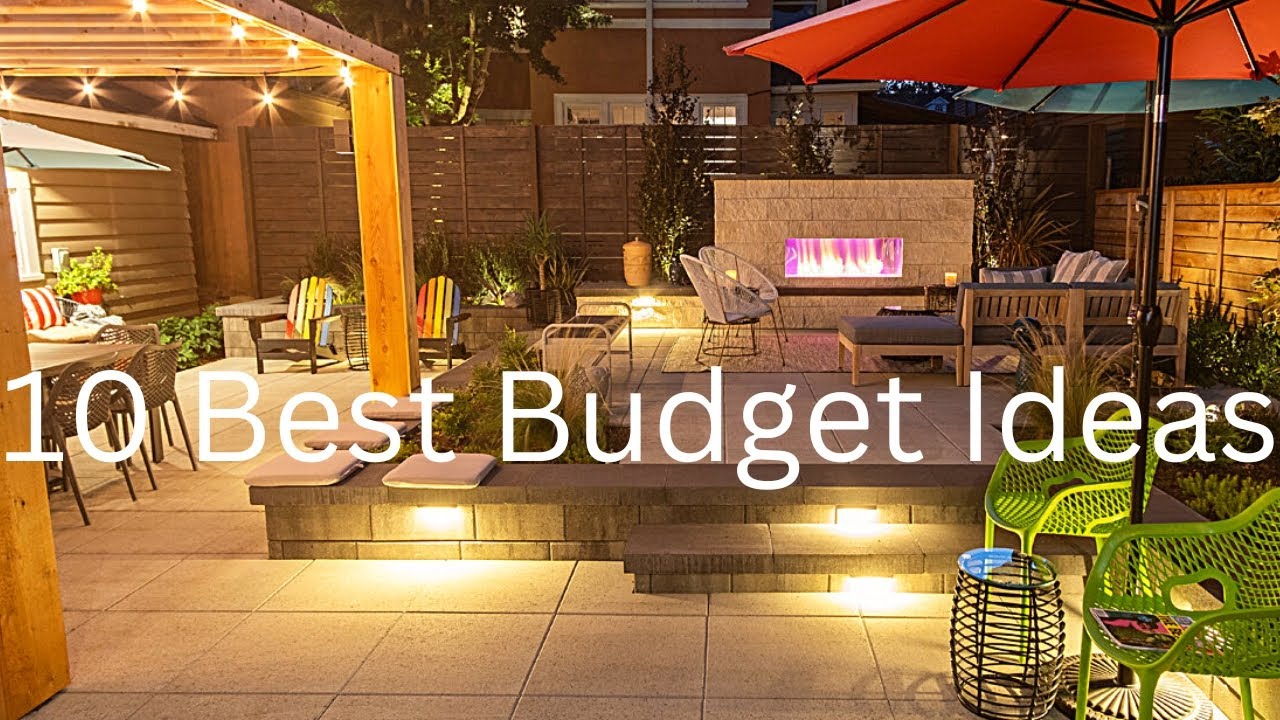
An outdoor fireplace turns a patio into a four-season room, or at least a three-season one. In our climate, a gas system gets utilized more nights with far less fuss. Wood fire boxes, done right, include drama however need chimney height and a footing that brings the load. For smaller spaces, a portable system is lovely, but a devoted fire pit installation, whether gas or wood, ends up being the anchor everyone orbits. Double-check clearances to eaves and trees, and choose paver finishes that endure heat. The majority of concrete pavers manage the radiant heat well, though we set metal fire bowls on heat shields when customers desire insurance.
Cost, timeline, and where to invest
Budgets differ commonly. As a rough local guide, a straightforward concrete interlocking paver outdoor patio in Pasadena frequently lands someplace in the mid double digits per square foot when access is good and the design adheres to standard patterns. Natural stone pavers run greater, and intricate curves, inlays, and steps contribute to labor. Retaining walls introduce a completely different expense center driven by height, engineering, and finish product. Outdoor cooking areas differ many because devices and stone tops increase totals quickly.
If you require to choose where to put dollars, invest in base preparation first, then on thoughtful shifts, then on the product surface. A well-built outdoor patio with a modest paver checks out better than an exotic stone on a poor base. Likewise, crisp action nosings, smooth door thresholds, and clean edges around planters raise the perceived quality more than most high-end accents. If funds permit, incorporate low-voltage lighting under caps and along actions. It extends the patio area's effectiveness and improves security with very little ongoing energy.
Maintenance that respects your time
Interlocking pavers are not absolutely no upkeep, however they are foreseeable. Sweep frequently to clear grit that abrades sealer. Wash spills near grills without delay to limit oil absorption. Reseal every 2 to 4 years for high-use cooking zones, or stretch to 4 to 6 where foot traffic is light. Weed development signals joint sand loss or irrigation overspray patterns, both fixable. If a paver chips or a stain sets, keep a box of attic stock from the initial order. Switching a few units is painless compared with covering a colored concrete piece that never quite matches.
After big rains, check the base at edges for weakening. If you see settlement, stop using that area and call your paver contractor. Small issues stay little when handled in the very first week. Retaining walls require a once-a-year inspection. Try to find bulging, stopped up weep holes, or efflorescence that indicates caught moisture. Dealing with drainage frequently fixes the cosmetic problems without touching the wall face.
How to choose the ideal specialist without regret
The distinction between an appropriate patio and an exceptional one often conceals in field choices no plan set can catch. Ask potential groups how they deal with existing watering, what compaction equipment they utilize for tight areas, and how they stage materials to safeguard an ended up lawn. Ask for a mockup of your picked pavers and border in natural light. A trustworthy patio contractor will meet you at your house with samples, not just a brochure.
Check that the paver contractor you are talking to is comfy coordinating with a retaining wall contractor in Pasadena if your style steps into grade modifications. If your scope consists of an outdoor fireplace, gas lines, or electrical for under-counter refrigerators, confirm they bring licensed trades to the table and that permits run through the right channels. Firms known for patio design Ridgeline Outdoor Living design typically bring that full-service frame of mind. Whether you deal with Ridgeline Outdoor Living paver installation experts or another skilled team, clear interaction about sequencing, website security, and cleanup makes the develop feel orderly instead of chaotic.
Small style moves that settle daily
After setting up hundreds of patio areas and sidewalks, a few details keep earning compliments years later. Use a slightly darker paver at door limits to aesthetically anchor shifts and conceal scuffs. If the outdoor patio meets a lawn, recess a steel or aluminum mowing strip at the edge to keep turf from attacking joints. Pull an utility strip with stepping stones along the back of planting beds so gardeners can prune without squashing the border. Tie lighting dimmers into the cooking area zone individually from the lounge, so cooking can be bright while the seating glows.
In Pasadena's brilliant sun, shade rules comfort. A freestanding pergola over the grilling station or a shade sail over lounge seating makes July afternoons pleasant. If the budget plan can not extend to a structure, plan for future footings now. Sleeving avenue under the outdoor patio to future posts or heating systems expenses bit throughout building and construction and conserves destroying finished work later.
Bringing everything together
A great patio feels unavoidable, as if the lawn constantly wanted to be used this way. Interlocking pavers provide you that feeling with the resilience to match. Brick pavers make heritage homes feel truthful. Concrete pavers deliver tidy lines and patterns that scale. Natural stone pavers set a classic phase for events that run late with next-door neighbors and household. When grade changes enter the picture, retaining walls extend effectiveness and bring order to slopes, whether you choose creative block retaining walls Pasadena projects are known for or the old-world heft of stone retaining walls experts in Pasadena LA deliver.
With a clear prepare for drainage, a base that will not stop, and detailing that respects how people move and prepare and linger, your patio installation ends up being the heart of the residential or commercial property. Add a walkway installation that guides visitors where you want them, layer in an outdoor fireplace or a tailored fire pit installation for cool nights, and keep a brief upkeep punch list taped inside the garage cabinet. The outcome is not simply a pretty surface, it is an outdoor space that carries its weight year after year.
Business Name: Ridgeline Outdoor Living
Address: 845 E Walnut St, Pasadena, CA 91101, United States
Phone: (626) 469-5822
Ridgeline Outdoor Living
Ridgeline Outdoor Living is a Pasadena-based landscape design-build company serving Greater Los Angeles with custom outdoor living, hardscape, and drought-tolerant landscape solutions. The company specializes in patios, retaining walls, outdoor kitchens, drainage, hillside projects, and turnkey landscape construction, handling projects from design and permitting through final build and warranty.
845 E Walnut St, Pasadena, CA 91101, USA
Business Hours:
- Monday – Saturday: 8:00 AM – 6:00 PM
- Sunday: Closed
Follow Us: