Pasadena yards inform stories. Oak shade over broken down granite, front gardens that fluctuate with the foothills, and side backyards where irrigation overspray turns morning dew into a slick movie. When a house owner asks for a brand-new walkway, the goal is hardly ever just suppress appeal. It makes sure footing for kids going to the gate, a steady route to move trash can on a moist night, a garden path that remains grippy after a rain burst, and a smooth transition from driveway to front door. In Southern California, where winter storms can dump inches of rain in a weekend and dry summertimes leave fine dust on every surface, developing safe, slip-resistant courses is as much about engineering as it is about design.
A lasting walkway starts with sincere site reading and the best item mix, then lives or dies by compaction, drain, and surface area texture. Below is how an experienced paver contractor approaches walkway installation in Pasadena's climate and soils, and how material choice, detailing, and maintenance keep traction underfoot for years.
Why slip resistance comes first
A pathway is just as safe as its surface area when damp. Pasadena's stormwater patterns have actually shifted over the past decade, with fewer light drizzles and more brief, heavy downpours. That stresses any surface that sheds water inadequately or polishes smooth under foot traffic. Include leaves from camphor, jacaranda blossom stain, and clay fines washing across a path, and you have an easy recipe for a slip.
On the opposite, summer season heat bakes thin surfaces, softens particular sealants, and develops a fine powder from neighboring planters that sits on hardscape like talc. The fix is not one item. It is a system: graded base, permeable or well drained joints, micro-textured surfaces, and information that keep water moving off the course and into soil or drains, not throughout the top where it can slick over.
Reading the site and setting grades
The typical Pasadena lot is not flat. Even modest slopes require careful grade preparation so a course feels comfy and never welcomes water to sit. A functional target for walkability is a path slope under 5 percent whenever possible, with cross slope under 2 percent to keep water shedding without making foot travel feel canted. On steeper lawns, short runs with landings help, and stepping paths with low risers can be more secure than long ramps.
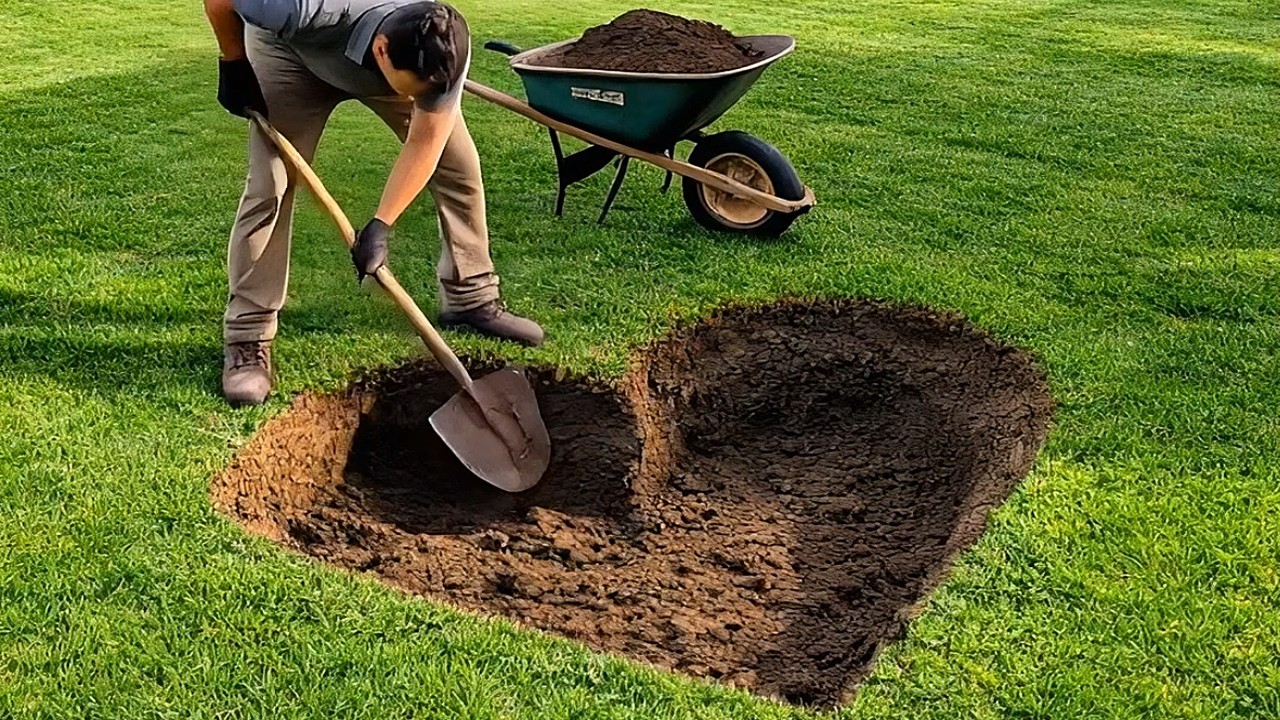
Soil type likewise matters. In the San Gabriel Valley, pockets of clay expand when wet and agreement when dry. If you lay pavers straight over clay without a properly built base, you will get waves and settlement. In older areas near the Arroyo, you might discover sandy or broken down granite soils that drain pipes well however need confinement to stop lateral shift. Before style, test a couple of holes with a post digger. If the shovel brings up sticky clay, intend on thicker base rock and careful compaction. If it crumbles like brown sugar, edging and geotextile become even more essential to lock the system.
Materials that offer grip and hold color
There is no single best paver for every Pasadena home. Texture underfoot and how the surface area ages matter more than chasing after a catalog picture. I direct customers to choose with their shoes on, and if possible, step on a damp sample. For sidewalks that should stay safe in all seasons, here is a succinct comparison of typical options:
- Interlocking pavers: Factory-molded concrete units with spacer lugs produce consistent joints. Look for non-tumbled, lightly textured faces or shot-blasted surfaces for greater slip resistance. Colors vary widely and fade resistance varies by manufacturer. Brick pavers: Fired clay units have natural tooth and time-tested charm. Traditional wire-cut faces grip well when damp. Smooth, glazed, or molded faces can polish, so pick a gritty texture if security is a priority. Concrete pavers: A broad classification that includes permeable systems. Permeable concrete pavers with open joints handle overflow well if the base is developed as a tank. Sand-set, non-permeable choices also perform when coupled with proper drainage. Natural stone pavers: Thick stones like flamed granite or cleft slate offer exceptional traction. Honed or polished stones can be precariously slick, so reserve them for covered or dry areas. Stone walkways with irregular flagstone: Split-face or natural cleft surfaces offer strong grip. The key is tight joints and consistent bed linen so there are no toe-catch edges.
Color option is not purely visual. Extremely dark pavers heat up, which can soften film-forming sealers and loosen polymeric sand on the most popular days. Mid-tone blends hide dust, pollen, and scuffing much better than a single light color.
Surface finish and slip scores that actually help
With concrete and stone, microtexture is your insurance coverage. Factory choices like shot-blast, brushed, or bush-hammered faces increase wet traction. For natural stone, a flame surface on granite raises a crystalline texture that grips without feeling extreme. With brick pavers, wire-cut textures perform well, whereas molded bricks with a smooth face need careful selection.
Sealants are a frequent tripwire. Film-forming acrylics can add shine and lock in dirt, which becomes slick with overspray. For pathways, I favor breathable permeating sealers or skip sealing totally and handle the surface with seasonal cleansing. If you need to seal for stain resistance under messy trees, choose a penetrating sealer with a released damp vibrant coefficient of friction that remains above safe thresholds when applied to your picked product. Makers release information, however constantly test a little area first.
What a correct base appears like in Pasadena soils
A course stops working gradually, then simultaneously, and almost always under the surface area. For interlocking pavers, a standard section begins with eliminating organics to undisturbed subgrade, then building up with compressed Class 2 road base or 3/4 inch crushed rock. On clayey websites, plan for 6 to 8 inches of compressed base for typical walkways. Where tree roots or old fill exist, do not skimp. It is much easier to overbuild now than relay later. I typically lay a non-woven geotextile in between subgrade and base upon clay to separate fines and keep base integrity.
On permeable interlocking pavers, the base modifications to open-graded rock, frequently 3/4 inch tidy stone for the base and 3/8 inch for the bedding. This setup drains through, which reduces surface water and aids with slip resistance throughout storms. Pasadena lots near older clay sewage system laterals or with little yards may not match full seepage. In those cases, build a partial seepage base that drains pipes to a French drain or location drain linked to code-compliant discharge. You keep the walk dry without overwhelming the yard.
For bedding, usage 1 inch of concrete sand or 3/8 inch chip for permeable systems. Screed rails keep this course real. Do not walk on it. Set pavers straight and compact gently with a urethane pad on the plate compactor to seat them without scarring the surface.
Edging, curves, and the little details that make a course feel right
A walkway checks out sloppy when edges roam or sand rinses. Plastic edge restraints pinned every 8 to 10 inches hold curves comfortably. In higher-end builds, concrete trim strips or soldier-coursed pavers set in concrete at the edges provide a classic look and robust lateral restraint. Where the path fulfills turf, keep the completed height a little pleased with the surrounding lawn. Turf clippings and soil sneak stay off the surface, and walkers know where the edge lacks staring at their feet.
Curves soothe a route through a garden and slow the speed just enough. Keep radii generous to avoid uncomfortable cuts and little triangles that loosen in time. A 6-foot or higher inside radius lays well with standard interlocking pavers and minimizes journey points at joints.
Transitions at limits matter as much as the field. Step down modifications ought to be predictable, uniform, and visible. Where a path satisfies a driveway or garage, install an ADA-style beveled transition if there is any height modification. If the walkway meets steps, a nosing with contrasting color increases presence without shouting.
Drainage that prevents slick surfaces
Water must leave a walkway quickly and naturally. I like a gentle 1.5 to 2 percent cross slope, hardly noticeable underfoot, that moves water toward a planting bed or a drain. Where slopes bring hillside water toward the course, a strip drain or a narrow gravel trench on the upslope side obstructs flow. In long side backyards, a perforated pipe wrapped in fabric within a gravel swale can bring overflow to the front curb or a dry well, based on local guidelines. The simple rule is never let water take a trip along the top of your pavers. Get it off or get it through.
If sprinklers mist the course daily, swap repaired spray heads for drip or high-efficiency turning nozzles that keep hardscape drier and minimize algae film. Mulch in nearby beds should be sized and consisted of so it does not travel onto the walk during storms.
How we build a safe, resilient paver walkway
Most customers appreciate timeline and what the backyard will look like during work. A normal 300 to 600 square foot pathway takes 3 to 6 working days from demonstration to sweep, depending on access and complexity.
Day one is demolition and excavation. We protect surrounding surfaces, pull out old concrete or loose DG, and dig to the design depth. Haul-off occurs daily in Pasadena alleys to keep next-door neighbors pleased and streets clear.
Day 2 and three are base build and compaction. We place geotextile as needed, bring in base rock in lifts not going beyond 3 inches, and compact each pass to 95 percent relative compaction. String lines or a laser set our grades. If a drain is involved, we set packages and pipeline throughout this stage.
Day 4 is screed and set. With rails developed, bedding enters and we set pavers beginning with the straightest, longest run. Cuts happen with a dust-controlled saw, and edges get restraint. For interlocking pavers, we run the plate compactor with a pad to seat the field.
Day 5 is jointing and surface. Polymeric sand or jointing stone fills the joints. With polymeric, operating in cool, dry conditions and following the water activation guidelines avoids washout and haze. We wash and sweep, test grades with a hose pipe, and review any touch-ups like caulking at thresholds or adding a small bevel cut to a tight corner.
Where retaining walls and courses meet
Many Pasadena pathways hug a slope or link terraces, so retaining walls enter into the safety discussion. A well built wall does more than hold dirt. It tames grade changes so you can keep walkway slopes mild and traction even. For brief increases under 3 feet, innovative block retaining walls in Pasadena yards can terrace planters and broaden tight side backyards. Taller walls necessitate engineering, particularly in hillside zones.
If you plan retaining wall installation in Pasadena CA, coordinate wall footing and sidewalk base so both lock together. We often notch a base course of the wall to receive edge restraints for the path. This prevents the telltale separation that appears a year after settlement. If the budget plan permits, stone retaining walls set up by skilled groups, including stone retaining walls experts in Pasadena LA, bring a classic appearance and set wonderfully with natural stone pavers. A retaining wall contractor in Pasadena who understands local soils and drainage codes will save you from mid-project redesigns.
Lighting and wayfinding for wet nights
Good traction is half the story. People walk more confidently when they can check out the surface area. Low, warm LED course lights, set back from the edge so the beam grazes the surface, reveal texture and expose puddles. Step lights in other words risers keep foot placement apparent. Where a course meets a patio area or driveway, a soft modification in color or a single soldier course signifies the transition. Light placement needs to prevent glare into surrounding windows and ought to be connected to wise transformers with sunset sensing units to keep the path lit when the weather can be found in early.
Maintenance that maintains grip
Slip resistance deteriorates when biofilm grows or fines fill texture. An easy upkeep rhythm keeps the surface area safe:
- Quarterly rinse and light scrub in shaded or irrigated zones. Use a stiff broom and a moderate detergent, not a glossy enhancer. Annual joint assessment. Top up polymeric sand where joints open, and clear any small weeds before roots anchor. Prune back overhanging plants that drip sap or drop heavy leaf litter. Less organic load implies less slime. Evaluate sprinklers each spring. Overspray and daily misting are the fastest path to algae on pavers. If sealed, spot test annual. When water stops beading on a penetrating sealant, reapply in cool weather condition following the producer's slip data.
Design synergy with patio areas, outdoor cooking areas, and fire features
Most walkway projects connect into larger outdoor goals. A front path that arrive at a small sitting patio area welcomes next-door neighbors to stop and chat. A side lawn pathway that stays dry and level makes transporting groceries from a separated garage much easier. If you are preparing patio installation, align paving options so the sidewalk and outdoor patio share a palette but not necessarily the exact same pattern. Subtle contrasts aid with wayfinding. Patio design Ridgeline Outdoor Living tasks frequently use a tighter, more ornamental laying pattern on gathering locations, then an easier running bond or herringbone on walkways for visual calm and simpler cutting around curves.
For families considering Pasadena outdoor kitchen ideas, keep traffic paths a minimum of 42 inches large near grills and prep zones. Grease and food traffic require pavers with more texture and a sealant that withstands staining without making the https://trentonrtoa396.image-perth.org/picking-a-paver-contractor-in-pasadena-what-sets-ridgeline-apart surface area slick. Outdoor fireplace seating areas or a fire pit installation must link to the main course with a short, lit spur and utilize ember-resistant joint sand. In high coal zones on summertime nights, a tidy joint and a non-shedding groundcover next to the path minimizes clean-up and slipping risks the next morning.
Choosing patterns and borders that help, not hinder
Herringbone patterns resist moving on narrow paths and include subtle traction thanks to frequent joint intersections. Running bond along the length of a course can develop visual speed, which works when you desire a narrow side lawn to feel longer. For safety, avoid tiny pieces at the edges. They loosen up initially and become toe catchers. A contrasting border, one or two courses wide, does practical work too. It consists of the field and offers your eye a line, which assists in low light and rain.
If you are looking into the very best paver patio styles for Pasadena homes, many of those details equate well to walkways. Toppled edges soften the look however can round off too much for tight joints. Non-tumbled or hardscaping guide gently textured edges make neater curves. Interlocking pavers with crisp arrises hold joint sand much better along high-traffic edges.
Budget, phasing, and sensible timelines
Costs depend upon access, base depth, disposal, and item. For a simple front pathway in Pasadena with interlocking pavers, set up pricing often lands in a moderate variety per square foot. Complex curves, thick permeable bases, or heavy stone can push greater. If a keeping wall belongs to the scope, budget plan that separately, since excavation, drainage, and block or stone type make a wide difference.
Phasing prevails. Many clients start with the front course and a little patio area, then add a garden spur and side backyard a season later. Structure with constant products and edge information lets you expand without obvious joints. A good patio contractor can stage avenue under the walk now for future lighting or gate automation, which prevents saw cuts later.
Working with an expert makes a difference
Experience shows in straight lines, company joints, and dry feet after a storm. An experienced paver contractor will stroll you through base depth for your soil, reveal you wet samples, and mock up edges before dedicating to cuts. Teams like Ridgeline Outdoor Living paver installation experts are proficient in the Pasadena microclimate and have actually solved the thousand small issues that never ever make it onto a plan. They also collaborate flawlessly when projects cross into outdoor patios, retaining walls, or outdoor kitchens, which keeps grades fix from the very first shovel.
If you are interviewing contractors, ask to see a pathway in service at least two years of ages. Bring a water bottle and damp an area. Enjoy how the surface acts and where the water goes. That small test states more than any brochure.

A compact pre-walkway checklist
- Measure actual slopes with a level and a tape, not simply your eye, and plan mild landings if runs are steep. Choose a surface texture you have stepped on when damp, and avoid glossy sealants on walkways. Design drainage to get water off or through the path, not along it, with cross slope and intercept drains pipes where needed. Overbuild the base in clay zones and lock edges so curves hold and joints do not open. Coordinate retaining walls, lighting, and future patio area or cooking area connections so you do the digging once.
Garden pathway concepts that stay safe and inviting
Clients in some cases fret that safety suggests sacrificing charm. It does not. Ridgeling outdoor living garden pathway ideas prosper on contrast and planting. A narrow decayed granite shoulder along a paver walk softens the edge and soaks up splash, while small groundcovers like dymondia or thyme fill versus the border without sneaking over the strolling surface area. In shady gardens under oaks, a stone walkway with flamed granite steppers on a supported base offers a forest feel with company footing. Where color is desired, brick pavers set in a basketweave pattern, with a single rowlock border, bring conventional Pasadena Craftsman hints and offer strong grip.
For modern homes, large concrete pavers with exposed aggregate surface areas, separated by narrow bands of river rock, shed water quickly and keep a smooth line. The rock functions as a visual break and a drain channel. Keep joints tight and align the grid with doors and views so the path feels intentional.
When irregular flagstone belongs, and when it does not
Irregular stone is gorgeous. It likewise presents variable joint widths and piece sizes that can invite toe stubs if hurried. When I utilize it on walkways, I favor bigger pieces with natural cleft surface areas and set them on a compacted base with a supported joint product. Joints no larger than a half inch keep footing predictable. On narrow side lawns where trash cans roll weekly, I pivot to cut stone pavers or interlocking pavers with a constant edge. Utility beats romance when you are tired, it is dark, and a cart is loaded.
Brick, concrete, or stone near swimming pools and water features
Near splash zones, focus on texture over everything. Wire-cut brick or flamed granite will outshine smooth limestone. Concrete pavers with a micro-etched face strike an excellent balance of comfort and grip for bare feet. If the course links to a medspa or fountain, select a penetrating sealer rated for damp slip conditions and expect to clean more often. Leaf tannins from neighboring trees stain light surfaces rapidly around water, so mid-tone colors settle with less maintenance.
Tying it all together
A sidewalk should have the exact same craft you would put into an outdoor patio or outdoor space. The information that keep it safe in Pasadena's environment are not glamorous, however they show their worth on the first rainy early morning when shoes do not slip and water vanishes where it should. Whether your task is a simple front walk in brick pavers, a winding garden course in natural stone pavers, or a modern run of interlocking pavers that connects driveway, side lawn, and a new amusing area, the formula corresponds: read the website, select truthful textures, construct a robust base, move water quickly, and keep edges strong.
If your vision includes nearby areas, fold them into the plan now. Patio installation, retaining walls that calm tricky grades, even stubs for a future outdoor fireplace or the grill line for that dream cooking area, all gain from early coordination. With the best group and a determined method, you wind up with safe, slip-resistant paths that appear like they have actually constantly belonged and work silently, day after day.
Business Name: Ridgeline Outdoor Living
Address: 845 E Walnut St, Pasadena, CA 91101, United States
Phone: (626) 469-5822
Ridgeline Outdoor Living
Ridgeline Outdoor Living is a Pasadena-based landscape design-build company serving Greater Los Angeles with custom outdoor living, hardscape, and drought-tolerant landscape solutions. The company specializes in patios, retaining walls, outdoor kitchens, drainage, hillside projects, and turnkey landscape construction, handling projects from design and permitting through final build and warranty.
845 E Walnut St, Pasadena, CA 91101, USA
Business Hours:
- Monday – Saturday: 8:00 AM – 6:00 PM
- Sunday: Closed
Follow Us: